
Are We a Big Tent or Not?
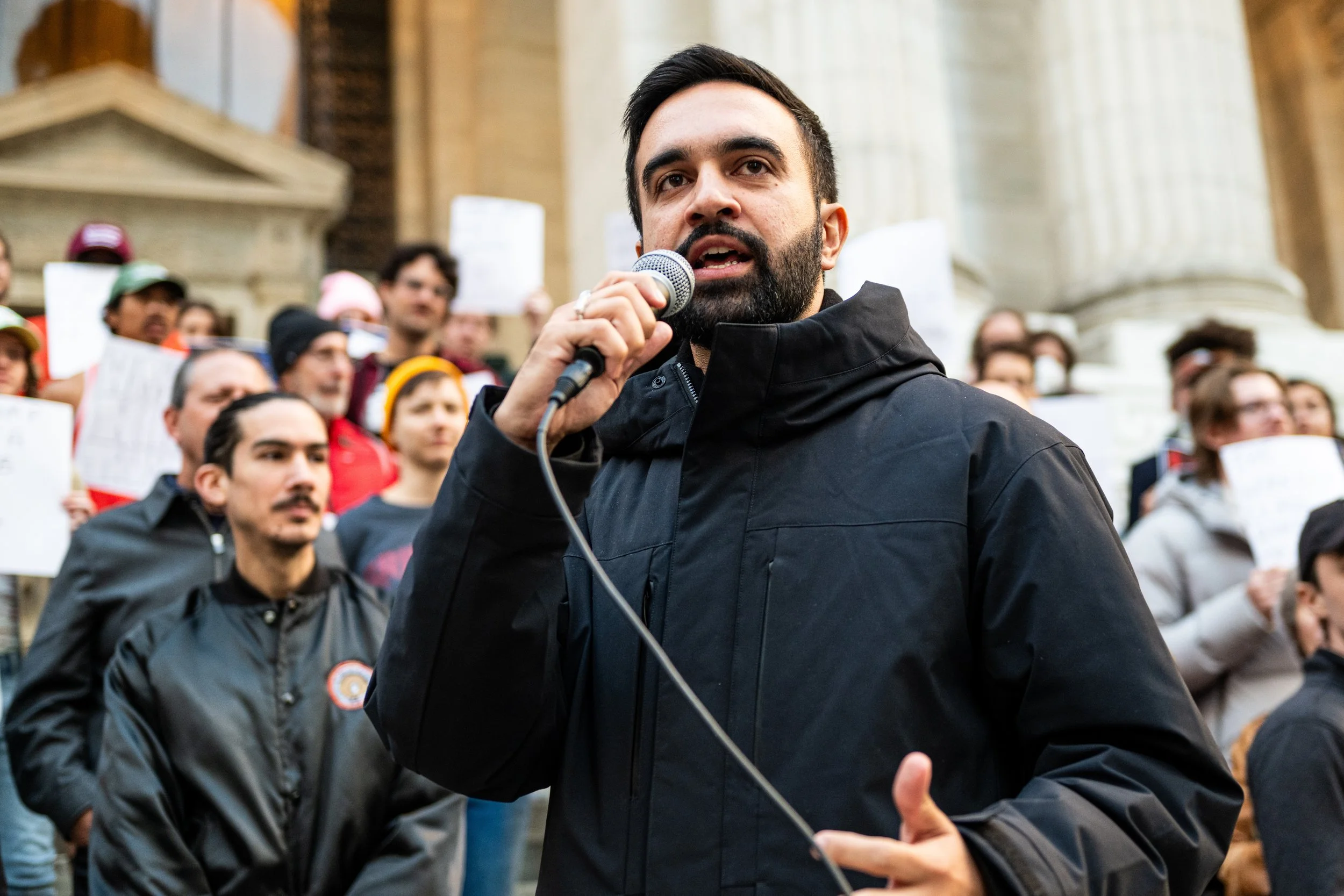
Wikicommons
James Carville and the pundit class keep warning that democratic socialists are some kind of existential threat to the Democratic Party, insisting they’re “not Democrats” and should be excluded from the caucus. Bill Maher, meanwhile, has built an entire cottage industry on scolding the left as “crazy” and “stupid” while claiming his politics haven’t changed and only the left has become extreme.
What neither of them seems willing to admit is that democratic socialism is not a bizarre alien ideology—it’s a set of policies aimed at dealing with the economic reality of massive inequality, housing crises, precarious work, and failing social safety nets in the places where these problems are most visible: big cities.
The Big Tent: Bill Maher in the South, Zohran Mamdani in the Cities

Wikicommons
Here’s the obvious truth mainstream Democrats pretend not to understand: you can run Bill‑Maher‑style “liberal democracy” messaging in purple or conservative‑leaning regions while embracing Zohran Mamdani–style democratic socialism in urban districts with obscene wealth gaps.
Carville himself is furious that candidates backed by New York City Mayor Zohran Mamdani and the broader socialist movement are winning primaries, precisely because they are tailored to those districts’ realities, not to his nostalgic, Clinton‑era national brand. That’s what representation actually is: different constituencies requiring different emphases, all within a shared coalition that wants functioning democracy rather than authoritarianism, corruption, and Trumpist nationalism.
A serious “big tent” party would say:
Rural and Southern voters can get a message focused on rule of law, basic liberal rights, and economic pragmatism.
Urban voters living with rent gouging, medical bankruptcy, and police overreach can get a message focused on housing, labor rights, public goods, and redistributive policy.
Same coalition, different dialects. That’s not fragmentation—that’s systems thinking applied to politics.

Wikicommons
Mainstream Dems Are Becoming a Mirror of Trump’s Monolith
Carville openly complains that democratic socialists “do not like Democrats” and urges a schism, because for him “the Democratic Party is not a left‑wing party.” Maher presents himself as the last “reasonable liberal,” framing things like free college, taxing the wealthy, or robust public services as dangerous overreach while insisting that only his lane is rational.
This is exactly how Trump and the MAGA movement talk: there is one “real” political identity, one acceptable lane, and everyone else is either dangerous or illegitimate. When mainstream Democrats declare that socialists shouldn’t even sit in the Democratic caucus, they are rejecting pluralism inside their own party while selling “pluralism” as their brand.
In chaos‑theory terms, they’re trying to freeze a complex adaptive system—American democracy—into a single stable state: corporate‑friendly liberalism with tightly managed dissent. That attempt to suppress ideological variation increases systemic fragility, precisely the opposite of what a genuinely resilient democracy needs.
Urban Inequality Demands Urban Democratic Socialism

Jon-Tyson Unsplash
The areas where democratic socialist candidates keep winning—New York City, other major metros—aren’t abstract ideological playgrounds; they’re pressure cookers of structural inequality. Maher loves to sneer at ideas like “getting rid of capitalism” or “giving communism another try,” bundling serious critiques of wealth concentration in with straw‑man absurdities so he can dismiss them as generational narcissism.
But democratic socialism in the American urban context is not about abolishing all markets; it’s about shifting life necessities—housing, health care, education, public safety—out of the casino economy and into stable, accountable systems. When landlords, hospital chains, and private equity funds hold entire neighborhoods hostage, “liberal democracy” without economic democracy becomes a thin etiquette code on top of a rigged game.
The refusal to recognize this is not “moderation,” it’s denial. It says: your rent spike is unfortunate, but my brand positioning is what really matters.
The Vision Question: If Socialism Is Wrong, What’s Your Plan?
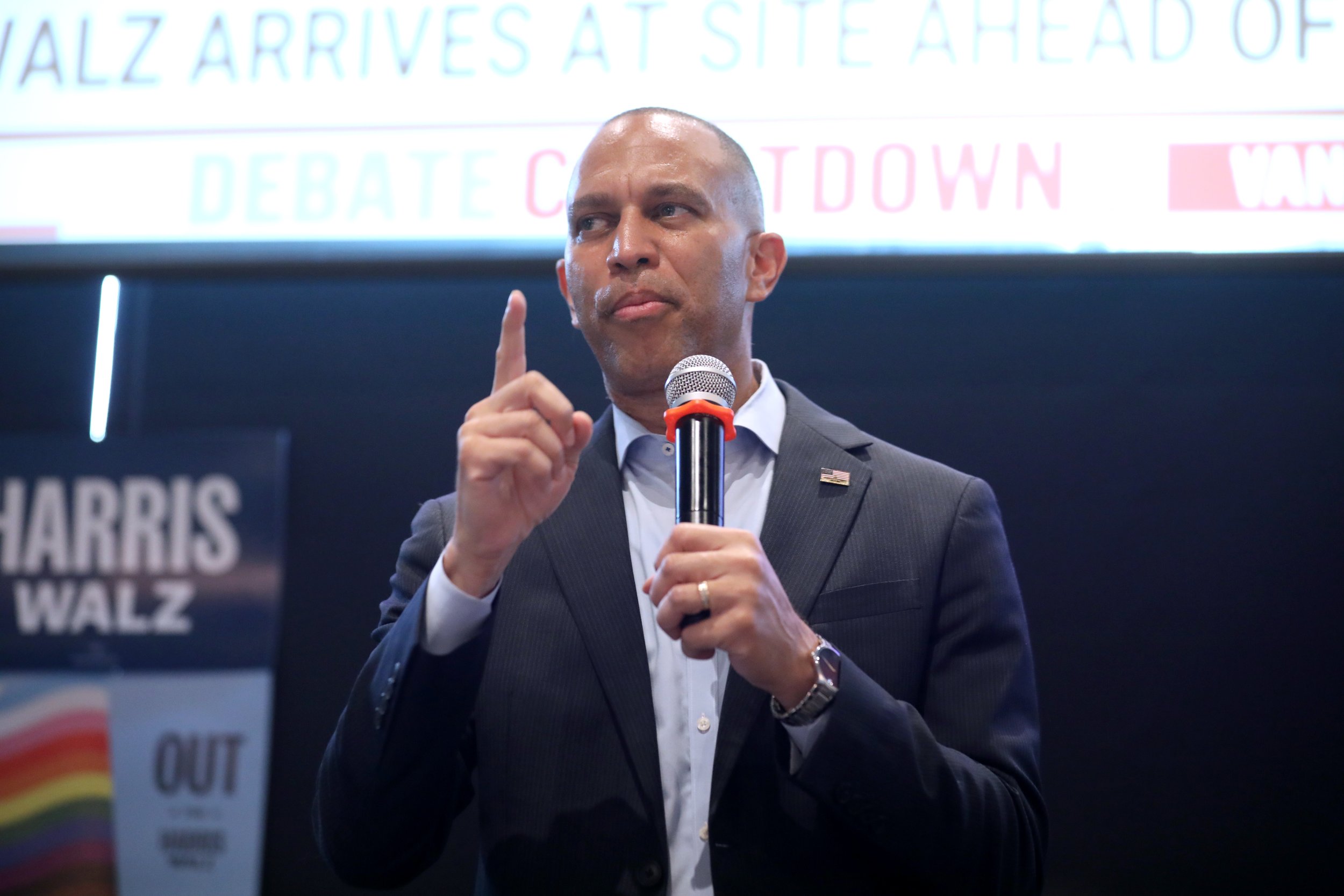
Wikicommons
Carville’s answer to democratic socialism is essentially: segregate them out, keep them from defining the party, and dynamite the bridge before it reaches “too far.” Maher’s answer is: double down on culture‑war lectures, mock the left for extremism, and champion a vague “common sense” liberalism while offering no coherent project for actually changing the material conditions he complains about.
So the basic counter‑challenge to mainstream Democrats is simple:
If you don’t like democratic socialism, what is your vision?
How do you plan to address spiraling housing costs in cities where working people literally cannot afford to live?
What is your plan for health care beyond “protect the ACA” while medical debt continues to wreck lives?
How do you intend to confront corporate monopolies, financialization, and the erosion of labor power without redistributive policies or structural reform?
If the answer is just: “Rebrand the same incrementalism and scold anyone pushing harder,” then yes—no vision? Then shut the f%ck up. Either present a serious alternative route out of the current crisis, or stop attacking the people actually trying to engineer one.
The “Have Our Cake and Eat It Too” Strategy

The Enlightened Lifestyle framing would say: a healthy democratic system embraces tension and difference, not as a bug but as a feature. A party that can hold Bill Maher’s liberalism in the South, Zohran Mamdani’s democratic socialism in NYC, and a spectrum of positions in between is not confused; it’s adaptive.
We don’t need a single ideological monolith; we need a coalition capable of:
Protecting baseline democratic norms everywhere: elections, civil rights, rule of law.
Allowing regional variation in economic and social policy emphasis, so that cities can experiment with stronger social‑democratic tools while rural areas move at a different pace.
Treating ideological diversity as a source of innovation rather than a threat to brand purity.
You can have a party that defends liberal democracy at the national level and supports urban democratic socialism where it actually wins the consent of the governed. You can, quite literally, have your cake and eat it too.
